Website Problems We See All the Time in Houston Businesses
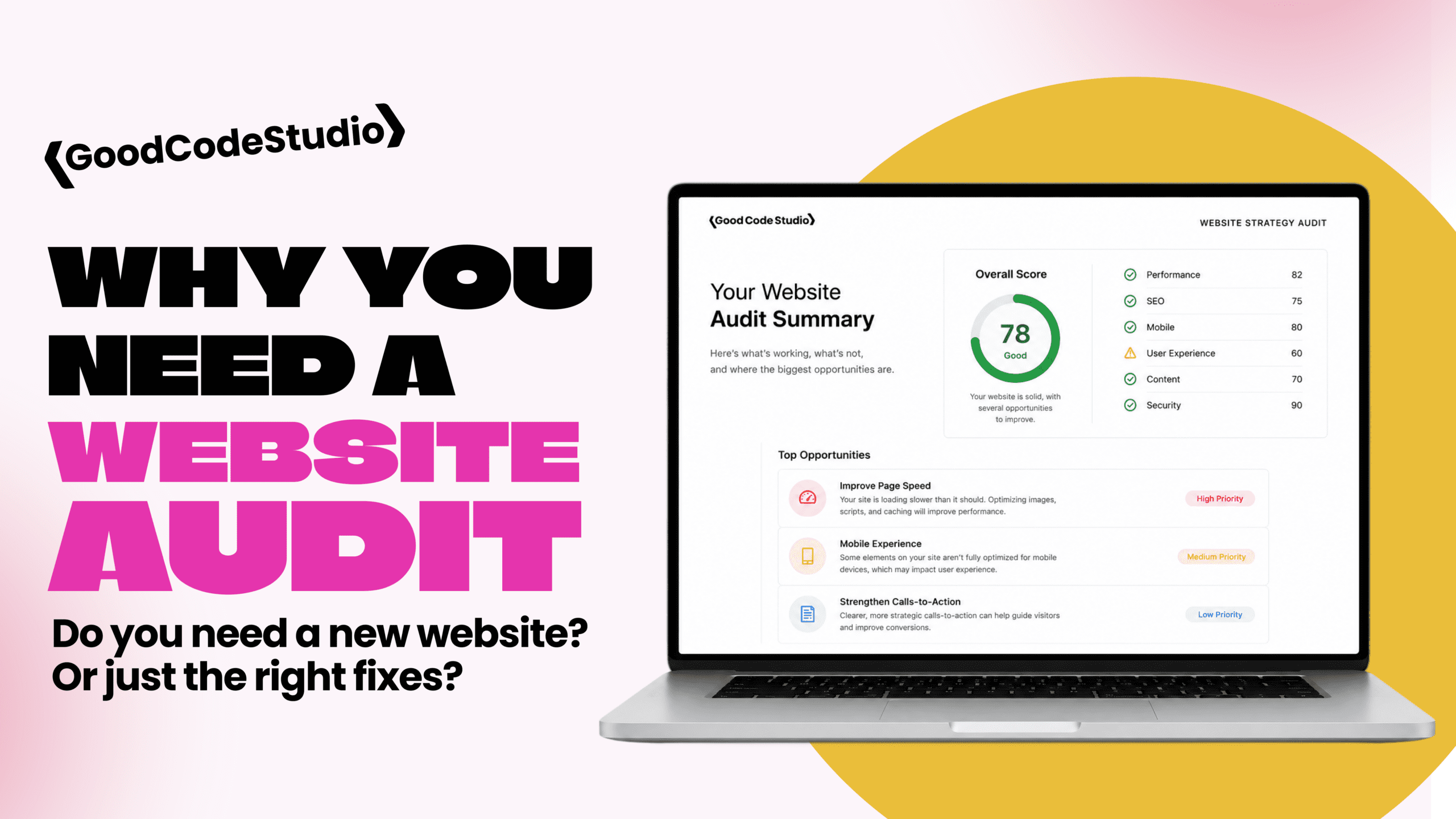
After working with Houston businesses, nonprofits, and community organizations for more than 13 years, I’ve noticed the same website issues come up again and again. Most aren’t dramatic — but over time, they can quietly hurt trust, conversions, and usability.
Your website doesn’t have to be completely broken to hurt your business.
In fact, most of the websites I’m asked to help with are technically “working.” The pages load. The forms submit. Nothing looks dramatically wrong at first glance.
But underneath the surface, there are usually small issues adding up to a frustrating experience for visitors — and over time, those issues can quietly cost businesses inquiries, sales, volunteers, donors, or trust.
After more than 13 years building and maintaining WordPress websites for businesses, nonprofits, and community organizations around Houston, I’ve noticed the same patterns come up again and again.
Here are five signs your website may be working against you — and what you can do about it.
1. Your Website Feels Slow (Especially on Mobile)
People are impatient online. If your website takes too long to load, visitors often leave before they even see what you offer.
And unfortunately, a lot of small business websites become slow over time because they’ve been patched together with too many plugins, oversized images, outdated themes, or years of quick fixes.
A slow website doesn’t just frustrate users — it can also affect your visibility in Google search results.
Common causes of slow WordPress websites:
- Too many plugins
- Cheap hosting
- Oversized images
- Outdated themes
- Poor mobile optimization
- Bloated page builders
The good news? Most of the time, speed problems can be improved without rebuilding your entire website.
2. It’s Not Clear What You Actually Do
This is one of the biggest issues I see.
A visitor lands on a homepage and immediately has to work too hard to figure out:
- What the business offers
- Who it’s for
- How to contact someone
- What action they should take next
If someone has to scroll, guess, or click around too much, there’s a good chance they’ll leave.
Your homepage should answer a few basic questions almost immediately:
- What do you do?
- Who do you help?
- Why should someone trust you?
- What should they do next?
Simple, clear messaging almost always performs better than trying to sound overly clever or overly corporate.
3. Your Website Looks Outdated
You don’t necessarily need a trendy or flashy website.
But if your site looks neglected, visitors notice.
An outdated website can unintentionally signal:
- the business may no longer be active
- information may not be current
- the organization may not be trustworthy
- the experience may feel frustrating
This is especially important for nonprofits, schools, and community organizations where trust matters so much.
And honestly, sometimes small visual updates make a bigger difference than people expect:
- cleaner typography
- updated imagery
- better spacing
- simpler navigation
- improved mobile layout
A thoughtful refresh can go a long way without requiring a full redesign.
4. Your Website Was Built for You Instead of Your Visitors
This happens all the time — especially when websites evolve over several years.
Businesses naturally know their own services inside and out, so it becomes easy to organize content based on internal thinking instead of visitor behavior.
But website visitors don’t experience your business the same way you do.
They usually arrive with one goal:
- get information quickly
- solve a problem
- contact someone
- make a decision
Good website strategy is really about reducing friction.
That might mean:
- simplifying menus
- shortening pages
- improving calls to action
- reorganizing information
- making forms easier to use
Sometimes the biggest improvements aren’t visual at all — they’re structural.
5. Nobody Is Maintaining the Site
This is the quiet problem behind a lot of website issues.
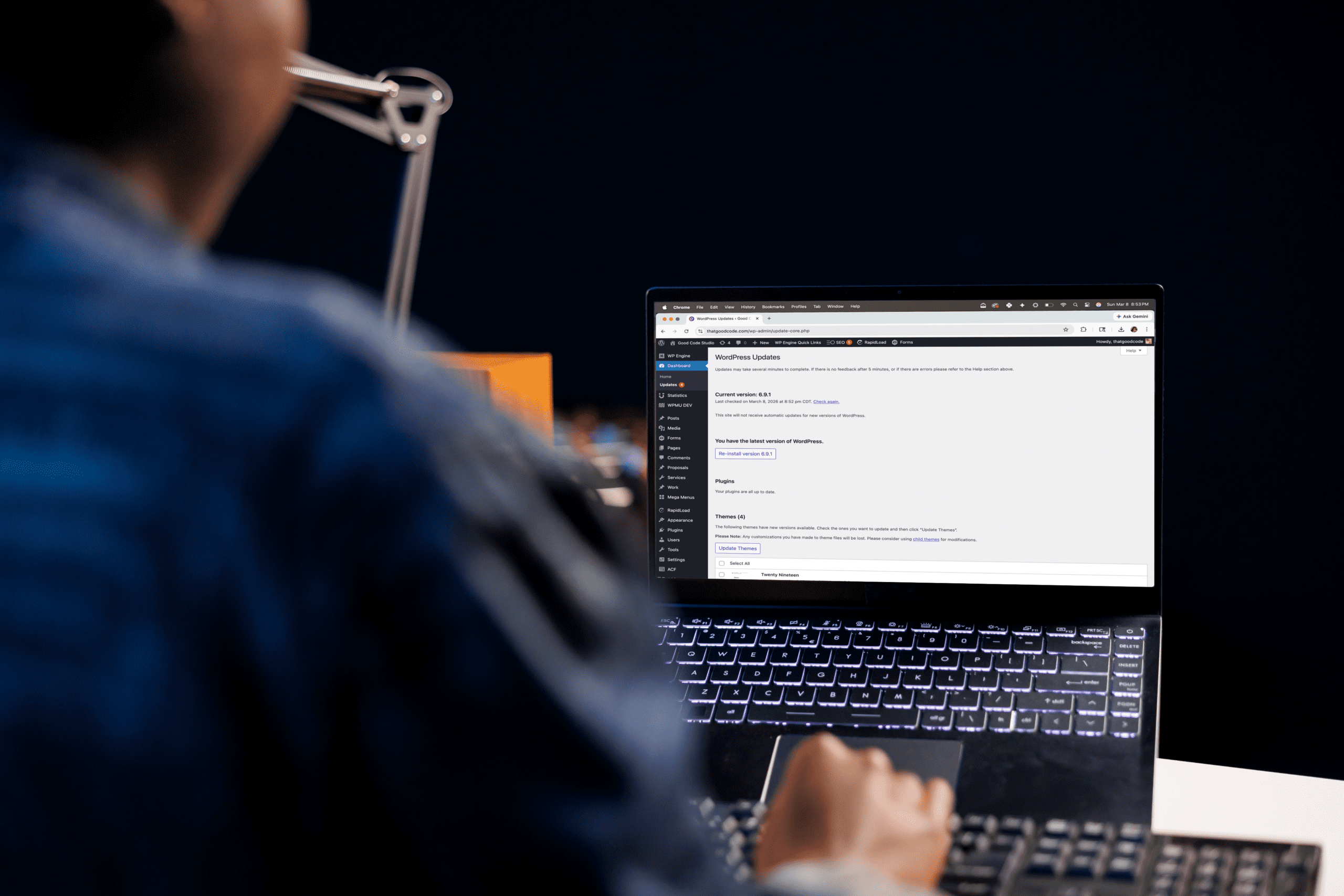
WordPress itself is great. But like anything else, websites need ongoing WordPress maintenance to stay secure, fast, and functioning properly.
When updates are ignored for too long, problems start stacking up:
- security risks
- broken plugins
- slow performance
- form failures
- outdated content
- compatibility issues
And unfortunately, many business owners don’t realize there’s a problem until something breaks.
A healthy website should be treated more like an ongoing business tool than a one-time project.
Most Websites Don’t Need to Be Rebuilt
This is something I tell clients all the time.
Sometimes the right solution is a more thoughtful approach to website strategy and WordPress support rather than a complete rebuild.
Sometimes the right solution is:
- improving speed
- simplifying content
- updating the structure
- fixing mobile usability
- cleaning up plugin issues
- creating a clearer strategy
The goal isn’t just to make a website look nicer. It’s to make it easier for people to connect with your business or organization.
Final Thoughts
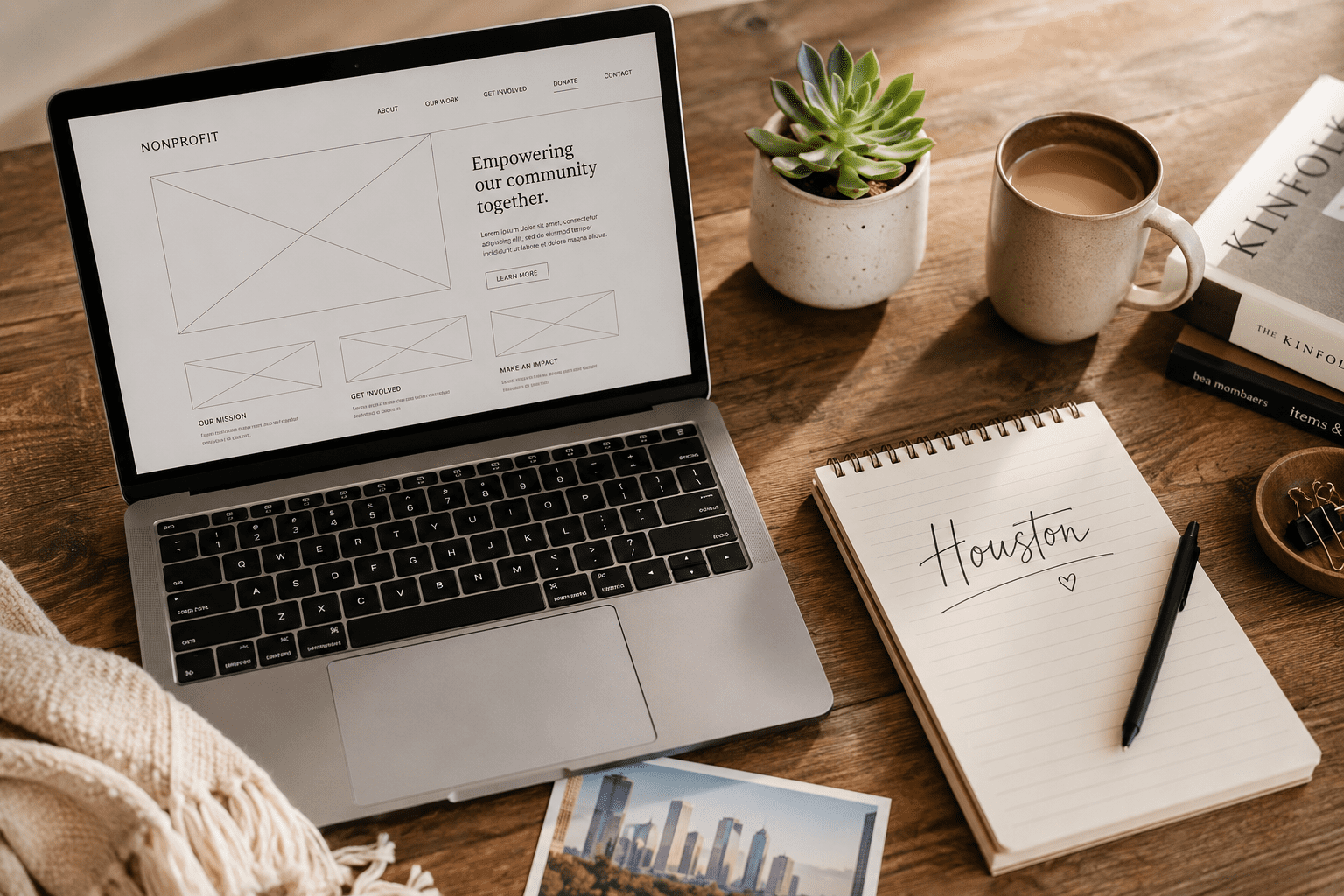
Whether you’re running a local business, nonprofit, school organization, or community initiative here in Houston, your website plays a huge role in how people experience and trust your brand.
And often, the issues holding a website back are more fixable than people think.
Sometimes a few strategic improvements can make a much bigger impact than people expect. Get in touch if you’d like a second set of eyes on your website.
At Good Code Studio, I build and maintain custom WordPress websites focused on performance, usability, and long-term sustainability for Houston businesses and organizations.
Sometimes small, thoughtful improvements make the biggest difference.