1. The Rise of Headless WordPress
Headless WordPress separates the content management system (backend) from the presentation layer (frontend). That means you can manage content in WordPress while delivering it through frameworks like React, Vue, or Next.js.
Why it matters:
- Blazing-fast performance
- Greater flexibility for custom designs
- Ability to deliver content across platforms (websites, apps, even smart devices)
For businesses that need scalability and speed, headless is becoming a powerful option.
2. AI-Powered Enhancements
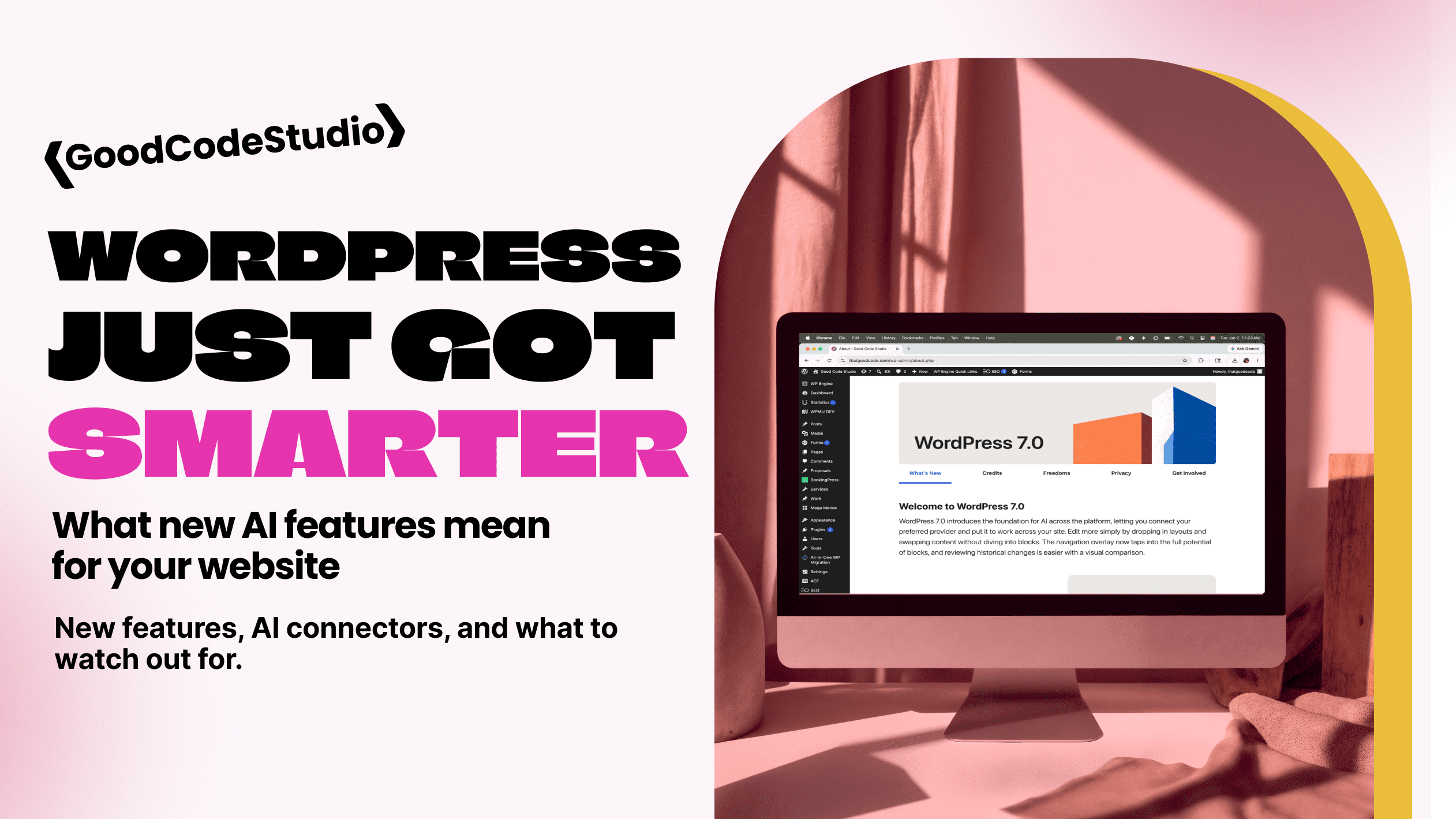
AI is moving from buzzword to practical tool. Expect to see more WordPress integrations that make websites smarter:
- Content generation and optimization
- Personalized product recommendations
- Smarter chatbots for customer support
Why it matters: AI saves time, improves user experiences, and can help small businesses compete with larger companies.
3. Gutenberg and the Block Editor Evolution
WordPress’s block editor (Gutenberg) is maturing into a full site editing experience. In 2025, we’ll see more:
- Pre-built block patterns for faster page design
- Full-site editing capabilities without heavy page builders
- Cleaner, leaner code output
Why it matters: This shift reduces dependency on bulky third-party builders, creating faster, more stable websites.
4. Accessibility by Default
As legal requirements expand and user expectations rise, accessibility will no longer be optional. Expect WordPress themes and tools to prioritize:
- High-contrast color palettes
- Better screen reader support
- Keyboard navigation improvements
Why it matters: Accessibility broadens your audience and builds trust.
5. Performance as a Ranking Factor
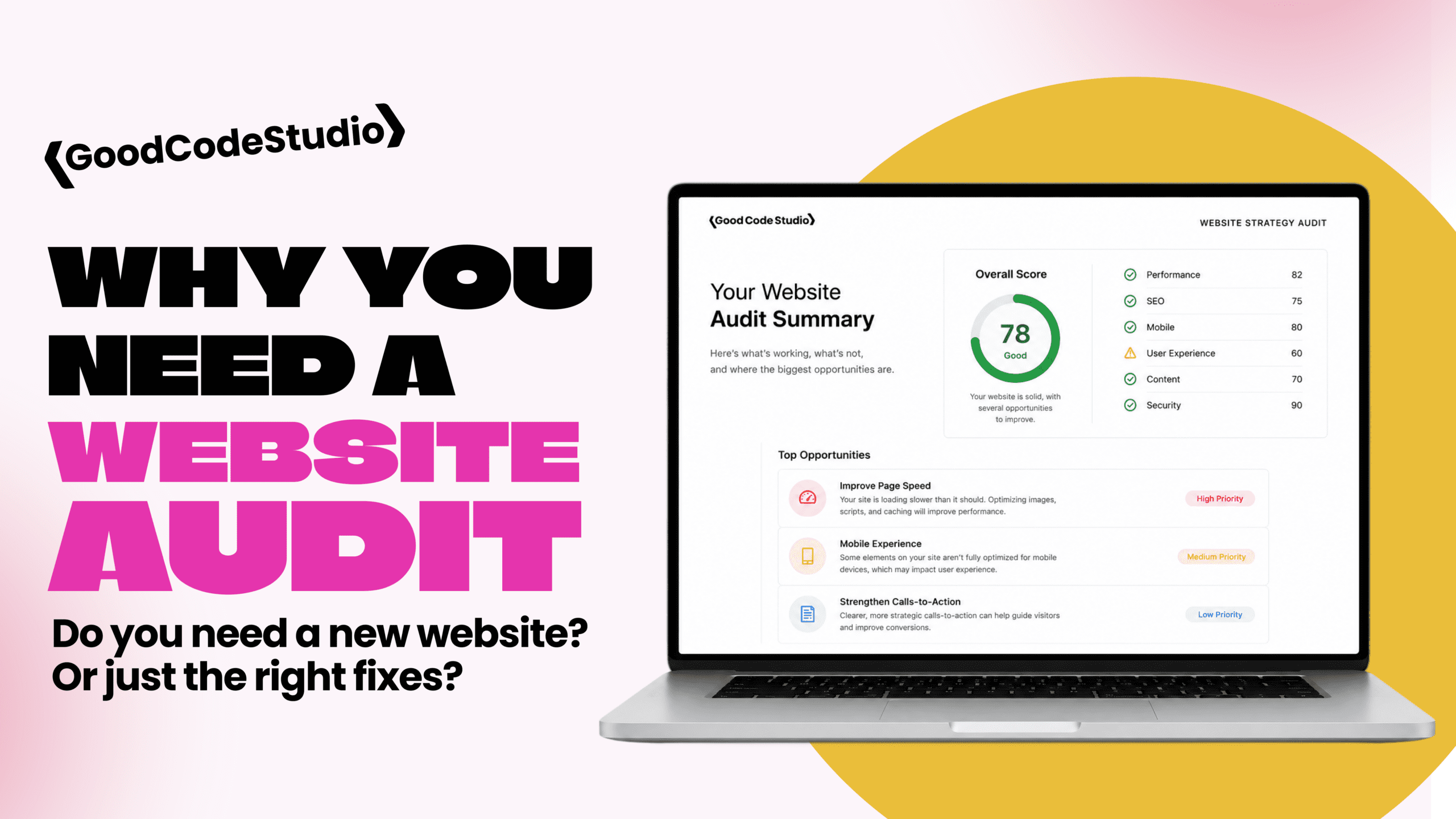
Google continues to raise the bar for site performance through Core Web Vitals. Expect more tools baked into WordPress to monitor and optimize:
- Page load speeds
- Image compression
- Mobile responsiveness
Why it matters: Faster sites don’t just rank higher — they convert better.
6. Security-First Development
With rising cyber threats, WordPress developers are adopting stronger security practices:
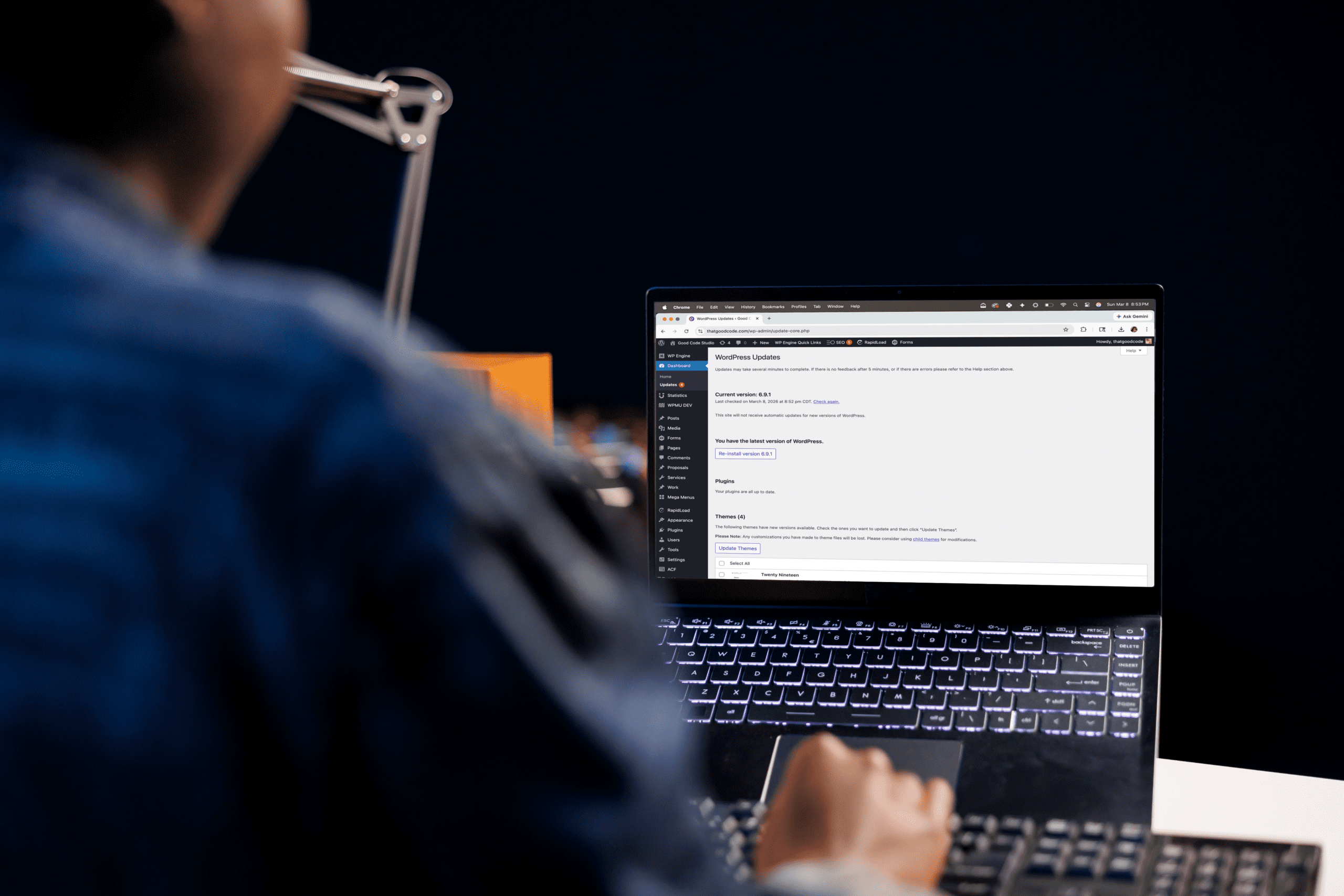
- Automatic updates for core and plugins
- Two-factor authentication by default
- Hardened hosting environments
Why it matters: Businesses can’t afford downtime or breaches. Secure sites protect both owners and customers.
7. Integration with No-Code Tools
WordPress will continue to integrate with no-code platforms, making it easier for non-developers to:
- Automate workflows
- Connect to CRMs, email tools, and payment processors
- Create dashboards and analytics without custom builds
Why it matters: Small businesses gain power without added complexity.
Final Thoughts
WordPress isn’t going anywhere — it’s evolving to meet the needs of businesses today and tomorrow. From headless builds to AI integrations, the future is about speed, flexibility, and smarter tools. Businesses that embrace these trends will have websites that aren’t just up to date, but ahead of the curve.
👉 Want a website that’s future-ready? Let’s start building.