WordPress powers more than 40% of all websites online, but that doesn’t mean every site is built well. The flexibility of WordPress is both its greatest strength and its biggest risk: with so many themes, plugins, and settings available, it’s easy to make mistakes that hurt performance, security, and usability. The good news? Most of these mistakes are easy to avoid with the right strategy. Here are the most common WordPress pitfalls — and how to make sure they don’t happen to you.
1. Relying on Too Many Plugins
Plugins add functionality, but each one also adds code — and potential vulnerabilities. Installing dozens of plugins slows down your site, increases conflicts, and makes updates harder.
How to avoid it:
- Audit your plugins regularly.
- Only use what you truly need.
- Choose lightweight, well-reviewed options from trusted developers.
2. Choosing the Wrong Hosting
Cheap or shared hosting may look cost-effective, but it can mean slow speeds, downtime, and poor support. WordPress sites need hosting that’s optimized for performance and security.
How to avoid it:
- Invest in quality hosting (like WP Engine or other WordPress specialists).
- Look for daily backups, strong security, and scalability.
- Think of hosting as the foundation of your website — it matters.
3. Skipping Backups
Accidents happen: a plugin update could break your site, or a hack could wipe out your content. Without backups, recovery is painful — and sometimes impossible.
How to avoid it:
- Set up automatic daily backups.
- Store them offsite (not just on your hosting server).
- Test restoring them so you know they actually work.
4. Ignoring Mobile Optimization
With more than half of all web traffic coming from mobile, ignoring mobile design is a critical error. If your site isn’t responsive, users will bounce quickly.
How to avoid it:
- Use a mobile-first design approach.
- Test your site on different screen sizes.
- Keep navigation and forms simple for smaller devices.
5. Weak Security Practices
WordPress sites are frequent targets for hackers. Simple mistakes like weak passwords, not using SSL, or ignoring updates make it even easier for attackers.
How to avoid it:
- Use strong, unique passwords for all accounts.
- Enable SSL (HTTPS) on your site.
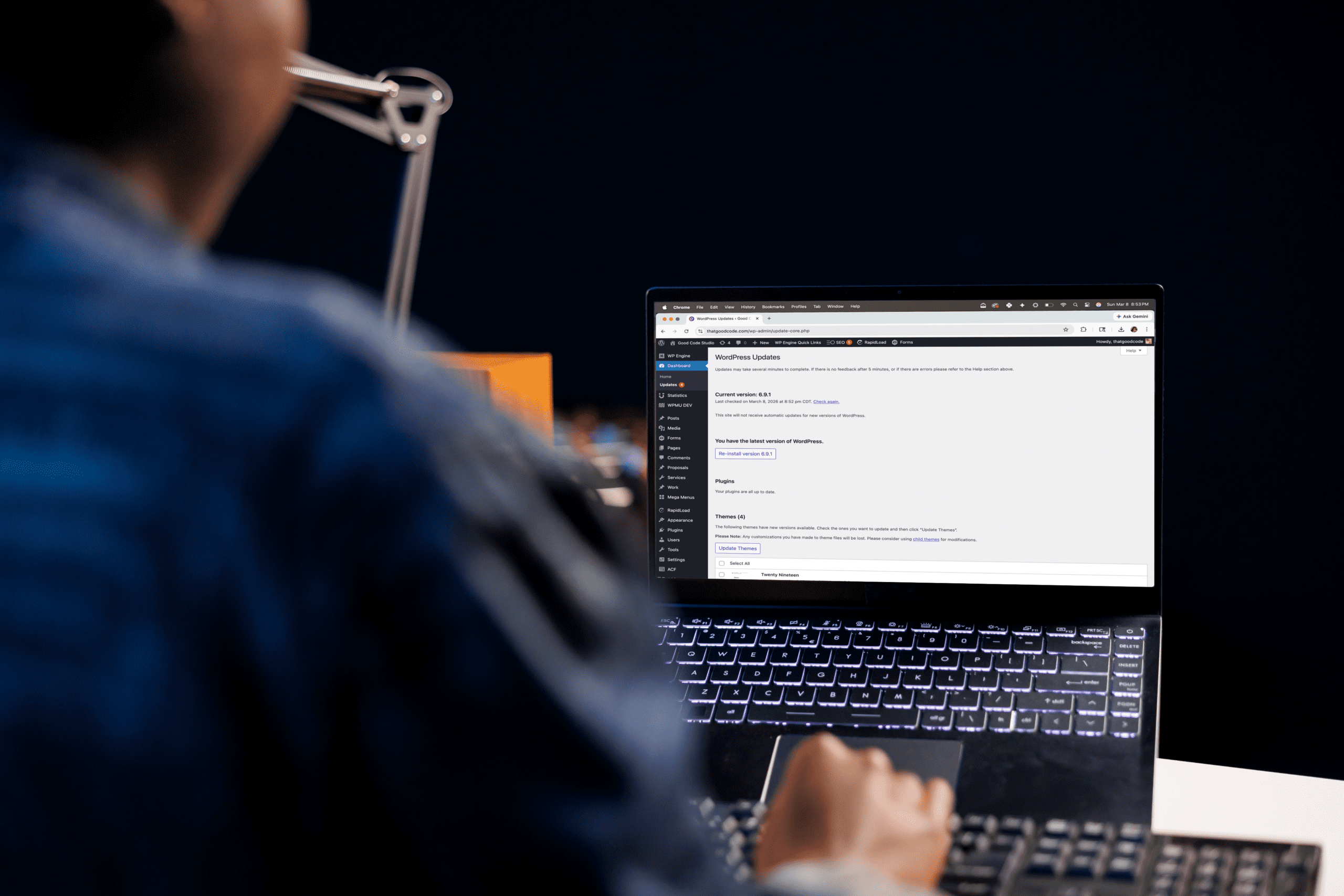
- Keep WordPress, themes, and plugins updated at all times.
6. Poor Content Structure
Design matters, but so does content organization. Without clear headings, readable typography, and strong calls-to-action, even a good-looking site can confuse users.
How to avoid it:
- Use a clear content hierarchy with H1, H2, and H3 headings.
- Keep paragraphs short and scannable.
- Highlight CTAs so visitors know what action to take next.
7. Forgetting About Analytics
If you’re not tracking how people use your site, you’re flying blind. Without data, you can’t measure performance or improve your results.
How to avoid it:
- Install Google Analytics or a privacy-friendly alternative.
- Track key actions like form fills, purchases, or sign-ups.
- Review your analytics regularly to make data-driven decisions.
Final Thoughts
WordPress gives you the tools to create an incredible website, but it also gives you enough flexibility to make mistakes that hold you back. By avoiding these common pitfalls — from plugin overload to poor hosting — you’ll have a site that’s faster, safer, and more effective.
👉 Want to make sure your WordPress site is built the right way? Let’s talk.